North Wilkesboro, North Carolina · 1971–1983
The Brief
Encounter
The soul-funk group from the Blue Ridge foothills whose 1977 debut became a Holy Grail of rare groove — collected from Tokyo to Stockholm, and still being discovered.
Chapter One · The Foothills
Origins
Wilkes County, North Carolina · c. 1971
North Wilkesboro sits at the foot of the Blue Ridge Mountains, in a county better known for NASCAR and for bluegrass pioneer Doc Watson than for soul music. That a group as sophisticated as The Brief Encounter rose from this predominantly white Appalachian town is part of what makes their story so remarkable.
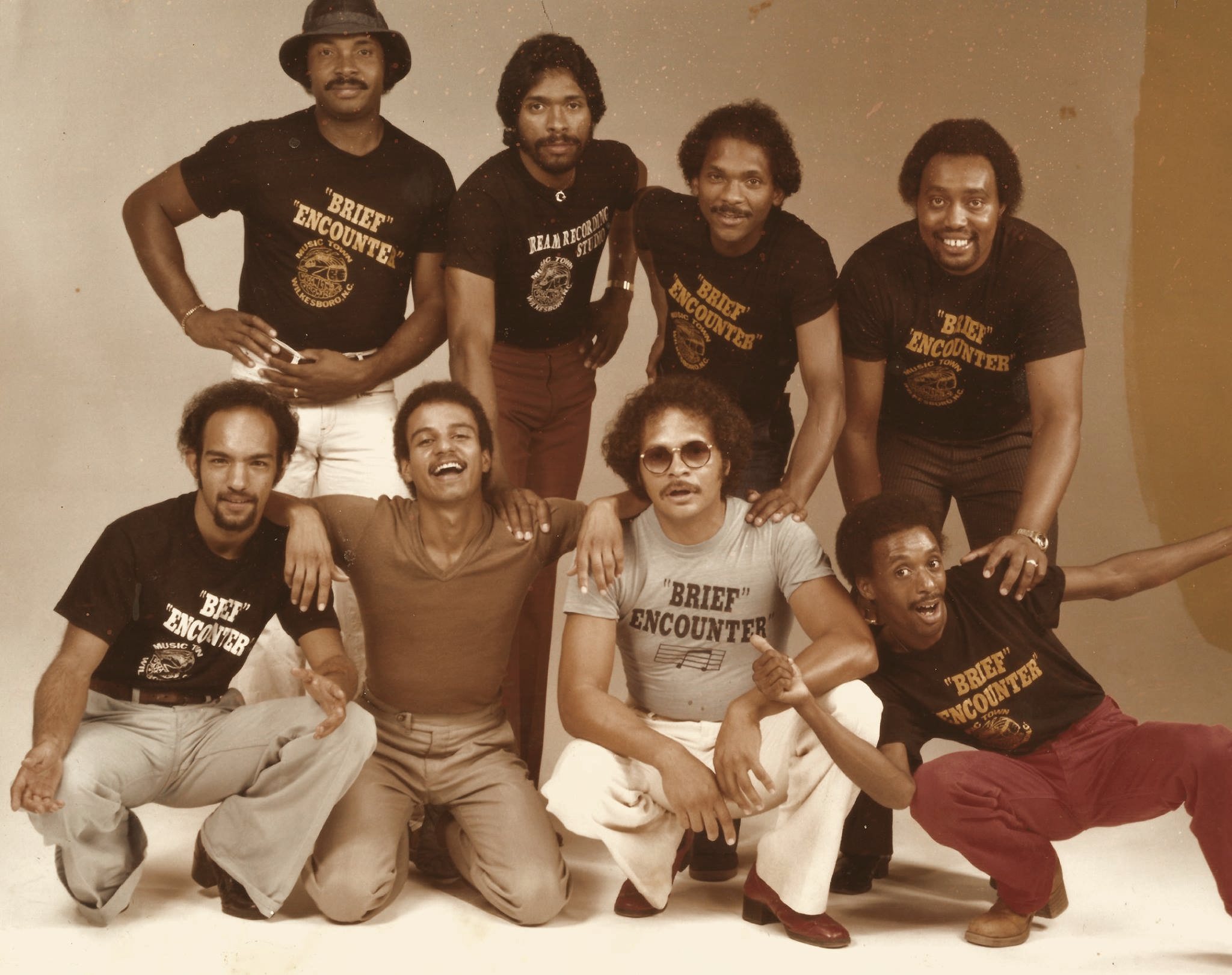
They began as a family. Four brothers — Tony, Montie, Velmar, and Gary Bailey — joined by a small circle of friends including lead singer Maurice Whittington. Their relative isolation gave the group a self-contained, deeply original creative identity. At the start, they called themselves The Sounds of Soul, cutting their first single around 1971.
By 1972–73 they had a new name — Brief Encounter — and a new chapter: a deal with Nashville's Seventy-Seven Records, the independent label founded by the legendary late-night WLAC disc jockey John Richbourg, “John R.,” sometimes called the Granddaddy of Soul Music.
Hear where it began
“You get somebody in a nice love groove, they’re not going to want to fight.”
— Gary Bailey
Chapter Two · The Music
The Records
From the Seventy-Seven singles to the major-label leap, the band cut a catalog that critics place comfortably beside Funkadelic, the Isley Brothers, the O’Jays, and Kool & the Gang. Two charting Capitol singles — “What About Love” (No. 82 R&B, 1976) and “In a Very Special Way” (No. 78 R&B, 1977) — were their highest-profile moments. Press play on any title to hear it.
Album 1
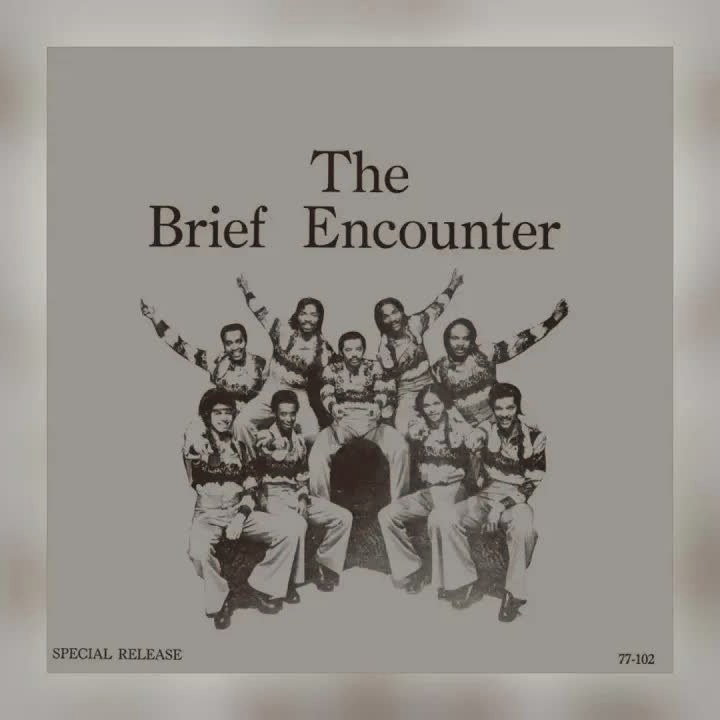
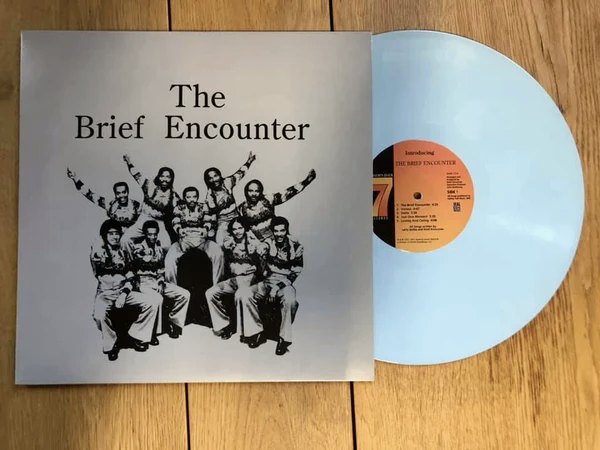
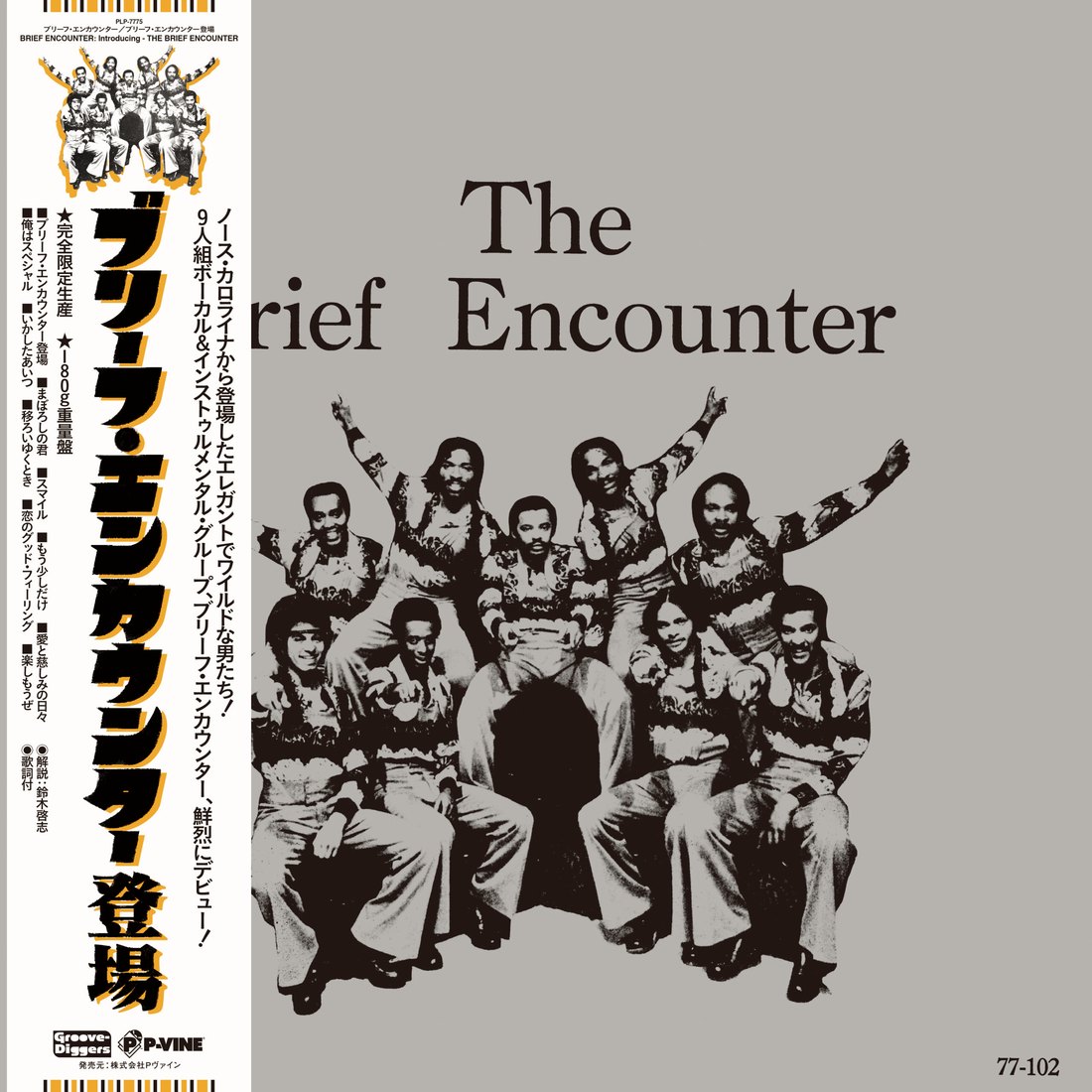
Introducing — The Brief Encounter
The debut. Every track written by the group, cut at the legendary Muscle Shoals. Only about 1,000 original copies were pressed — the primary reason originals now fetch $2,000–$2,500, and over 200,000 yen in Japan. Collectors call it the Holy Grail of soul.
Album 2
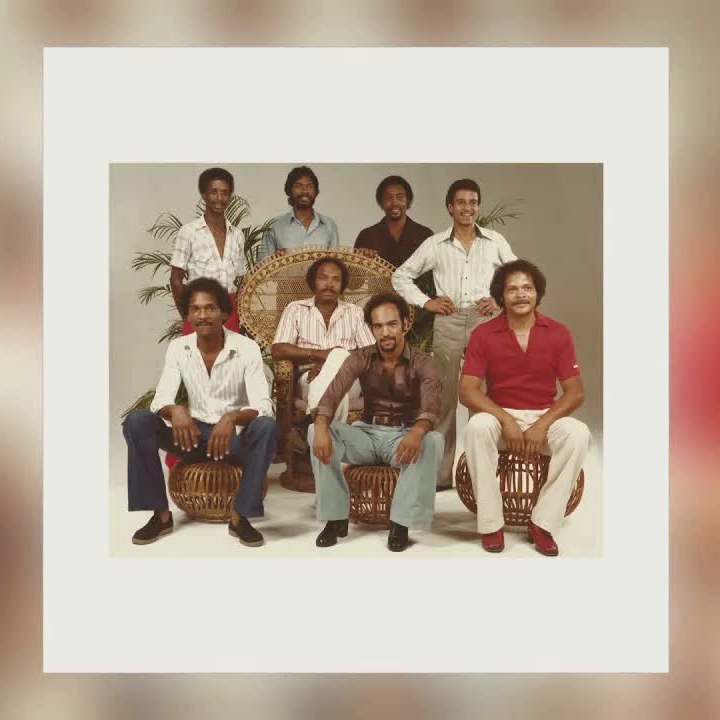
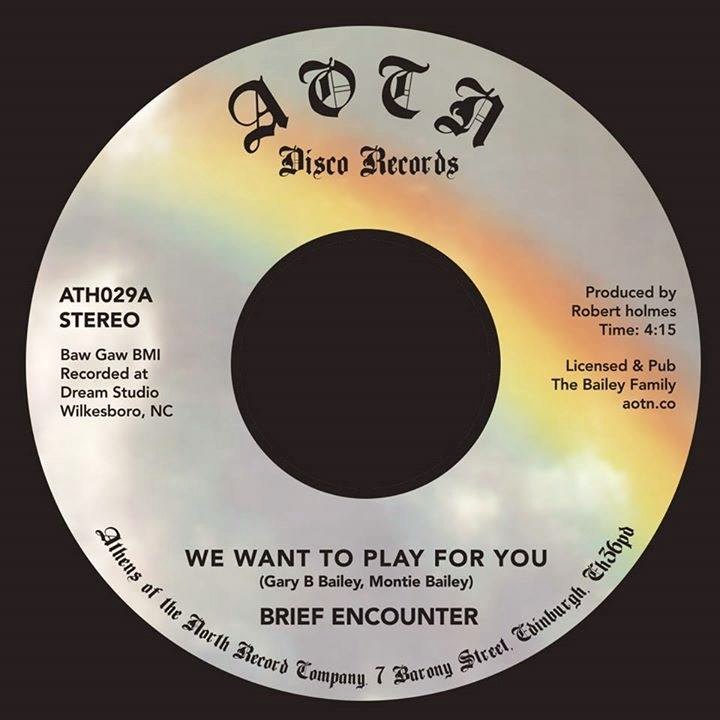
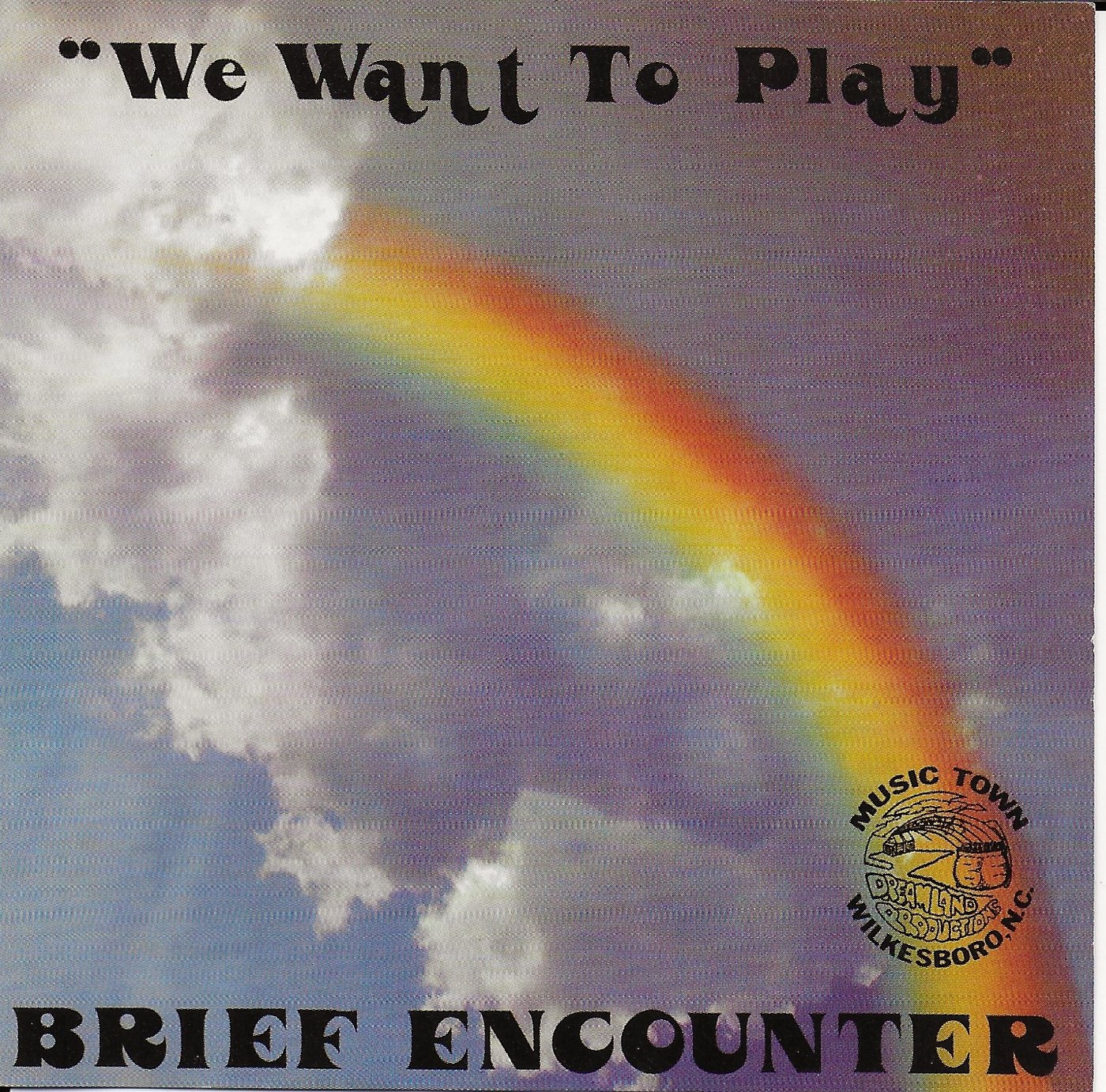
We Want to Play
Self-produced at the band's own Dream Studios, on their own Music Town label — owning their masters years ahead of their time. Wax Poetics calls it the modern masterpiece of the catalog.
Singles & Rarities
The 45s
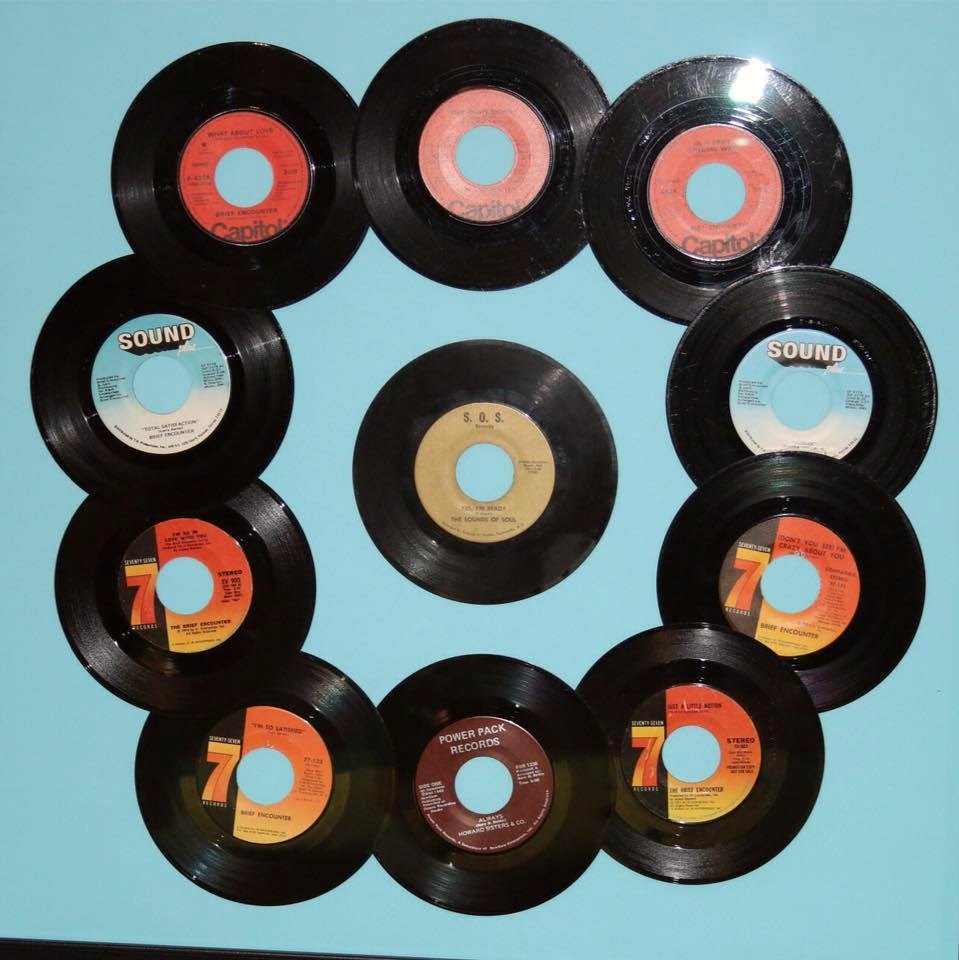
The “Human” 7″ on Sound Plus is among the most collected records in modern soul; its B-side, “Total Satisfaction,” was later sampled by Proof of D12.
Audio courtesy of Athens of the North, the band’s reissue label.
Chapter Three · The People
The Band
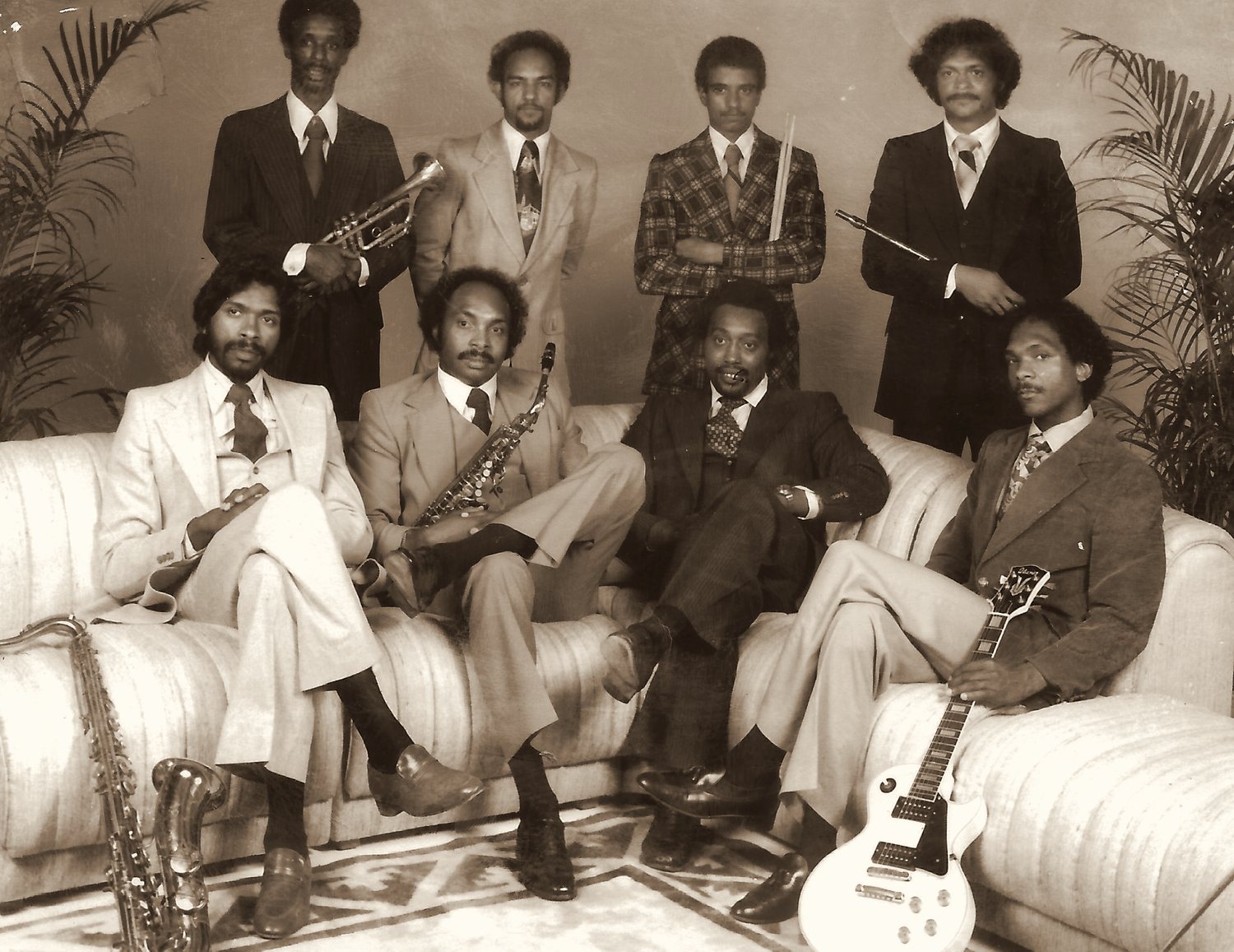
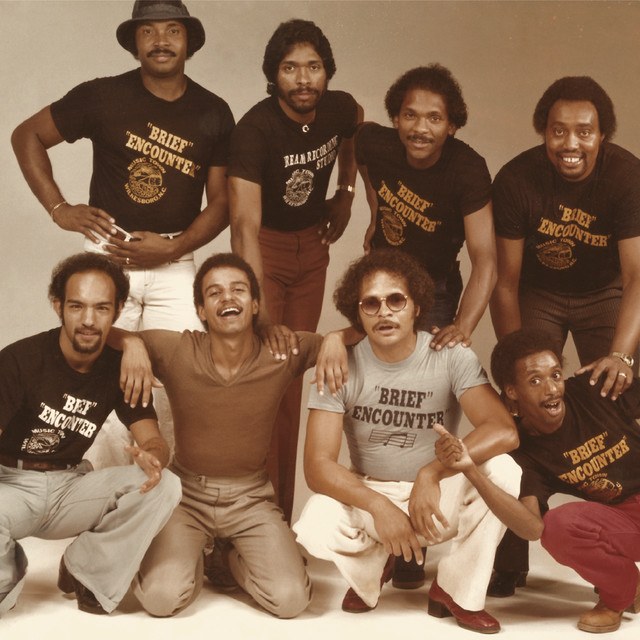
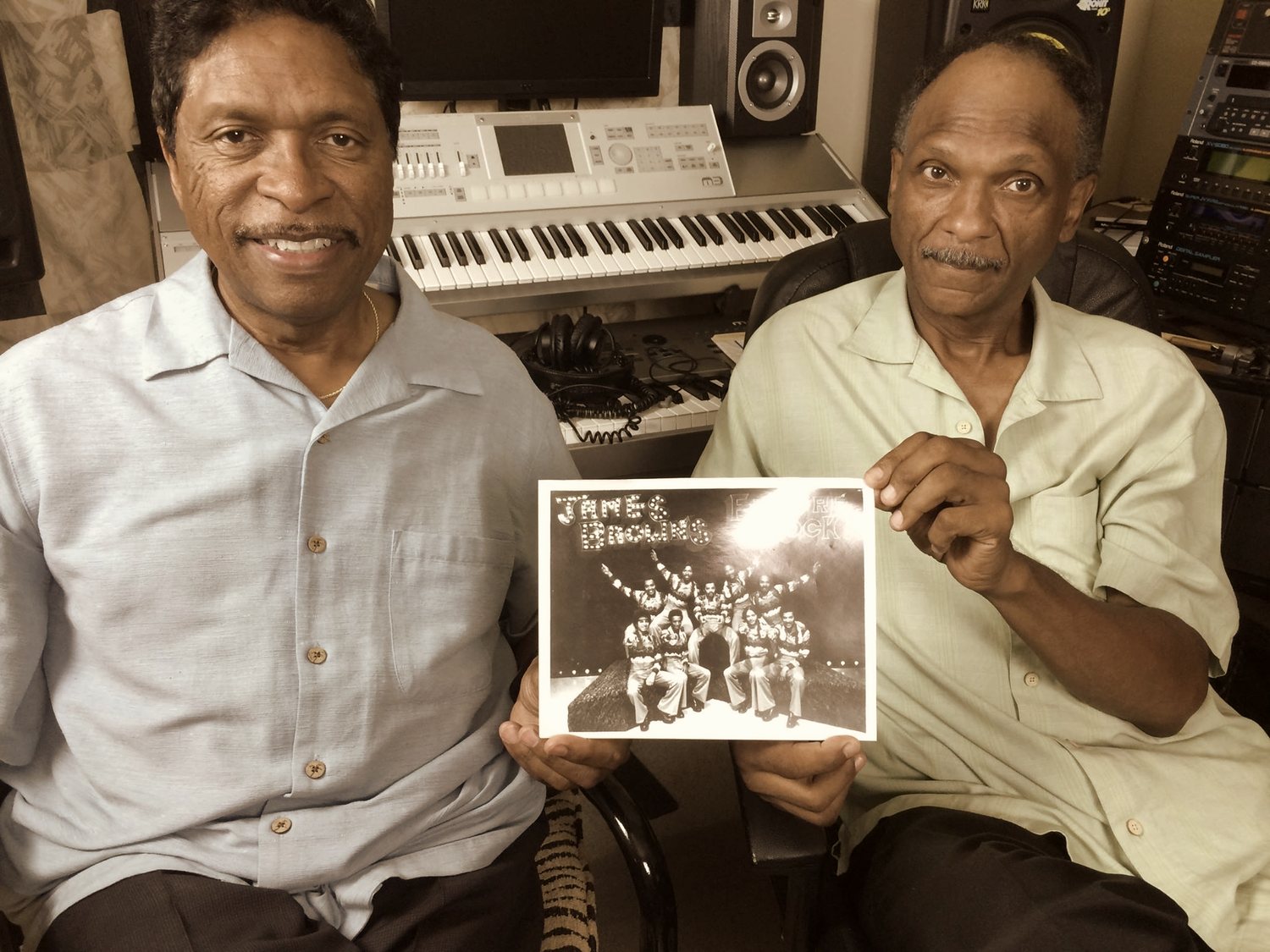
At their peak, a nine-piece ensemble. Brothers Gary and Montie sang harmonies so close in texture that, beneath Maurice Whittington’s tender lead, one critic wrote they sounded like a fleet of Cadillacs accelerating in unison.
“…a fleet of Cadillacs accelerating in unison.”
— on the Bailey brothers’ harmonies
From the archive
30 photographs from the Soul of the Foothills film project archive — click any image to view it larger.
Chapter Four · The Long Echo
Rediscovery
For nearly twenty-five years the band stayed underground — until eBay, YouTube, and the global rare-groove community found them. Gary Bailey first learned of the cult when his brother Montie called to say their album was selling online. When an original pressing cleared $2,000, then $2,500, they realized collectors in the United States, Japan, France, Spain, Italy, and Sweden had been hunting their music for years.
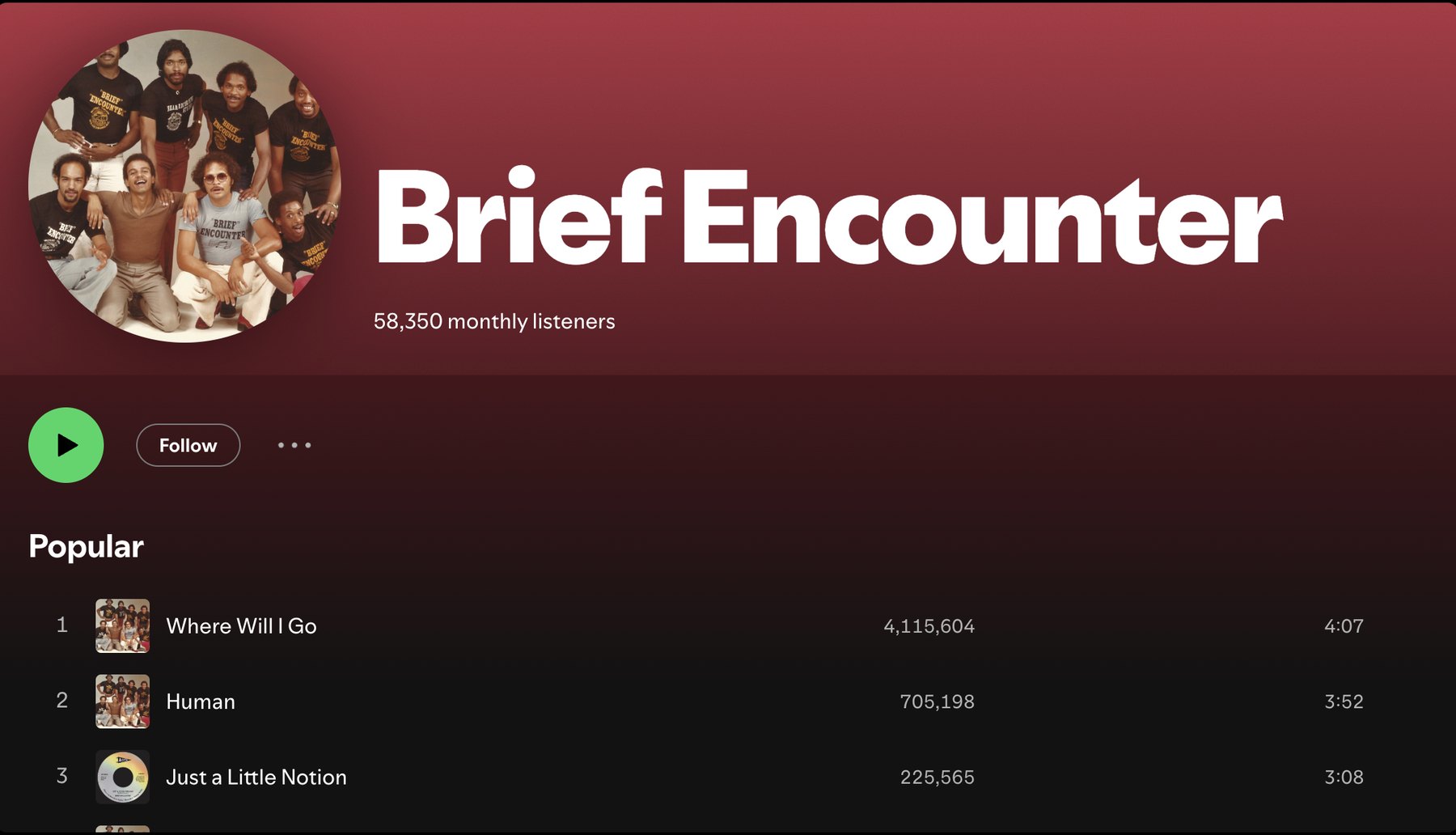
One unreleased ballad, “Where Will I Go,” had quietly gathered nineteen thousand plays before the brothers even knew. Their track “Total Satisfaction” was lifted almost whole by Detroit rapper Proof of D12 for his 2005 song “Clap Wit Me.”
“So he just took the song and sped up the thing. But you can tell it’s us, can’t you?”
— Gary Bailey
In 2010 the band returned with a limited 7″ for Haitian earthquake relief — 500 numbered, signed copies that raised roughly $4,000. Since then, a string of labels around the world has reissued and preserved the catalog, including a 2021 U.S. pressing on “smoky-mountain”-colored vinyl, pressed in North Carolina to honor home.
Reissued & preserved by
Still playing · Live, 2018
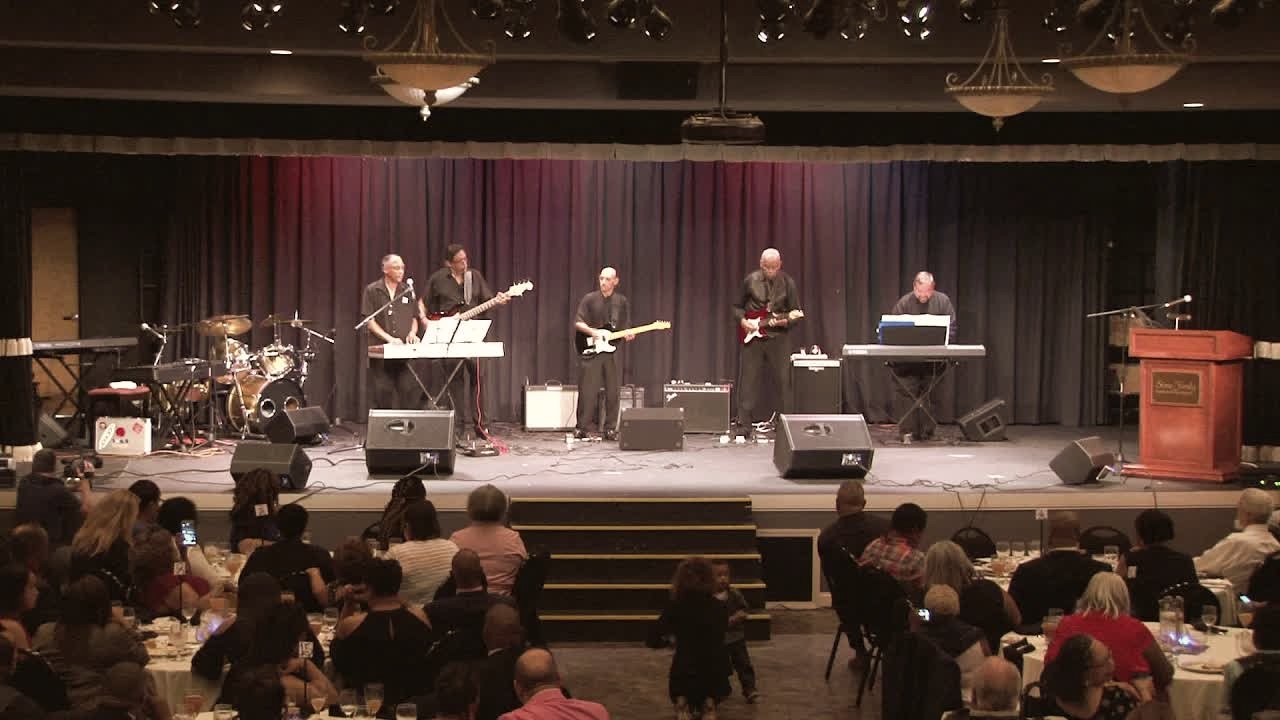
The Documentary
Soul of the Foothills
A film project telling the band’s story in full — from the Bailey brothers’ living room to the record bins of Tokyo. Here is the teaser.
Teaser courtesy of the Soul of the Foothills film project.
Hear More
Listen & Collect
The music is still in print and still being pressed. Stream it, or hunt down an original.
Stream